
Why some words are better sent by mail becomes clear when you consider how differently a message feels when it has been written, folded, addressed and physically carried to someone. A text can reach another person in seconds, which is invaluable for everyday communication. Yet some thoughts benefit from taking longer to arrive.
Mail introduces distance, but that distance can become part of the meaning. The recipient has to wait, open an envelope and spend time with something created specifically for them. In a culture built around instant communication, that small delay can make a message feel considered.
Why Do Some Messages Feel Better on Paper?
Most everyday communication is designed for speed where we send a message, receive a response and move on to the next conversation. This works well when the purpose is to confirm a meeting, share an update or ask a quick question. Some messages require a different kind of attention.
Telling someone that you are proud of them, remembering an important moment, thanking someone for their influence or expressing something that has been difficult to say can benefit from a slower process. Writing gives you time to decide what you actually want the other person to know.
A 2024 Psychology Today article on writing by hand discusses research suggesting that handwriting engages different cognitive processes from typing and can support deeper processing and memory. The physical act of writing therefore becomes part of the communication. The sender has spent time choosing words and putting them onto a page, and the recipient can hold the result.
Mail Gives Words a Sense of Occasion
A message arriving in a physical envelope carries a sense of occasion that is difficult to replicate digitally. There is the envelope itself, the handwriting on the front, the paper inside and the anticipation before it is opened. Even before the first sentence is read, the recipient has already encountered evidence of the sender’s effort.
This can be especially meaningful when the message marks something specific, consider:
- A letter congratulating someone on a new chapter in their life.
- A note thanking a friend for showing up during a difficult period.
- A birthday letter recalling memories that you share.
- A message to someone living far away.
- A letter celebrating an anniversary or friendship.
- A note of encouragement before an important milestone.
- A letter written simply to remind someone that they are remembered.
The words may not be extraordinary on their own but their meaning comes partly from the decision to give them time and a physical form.
The Value of Waiting
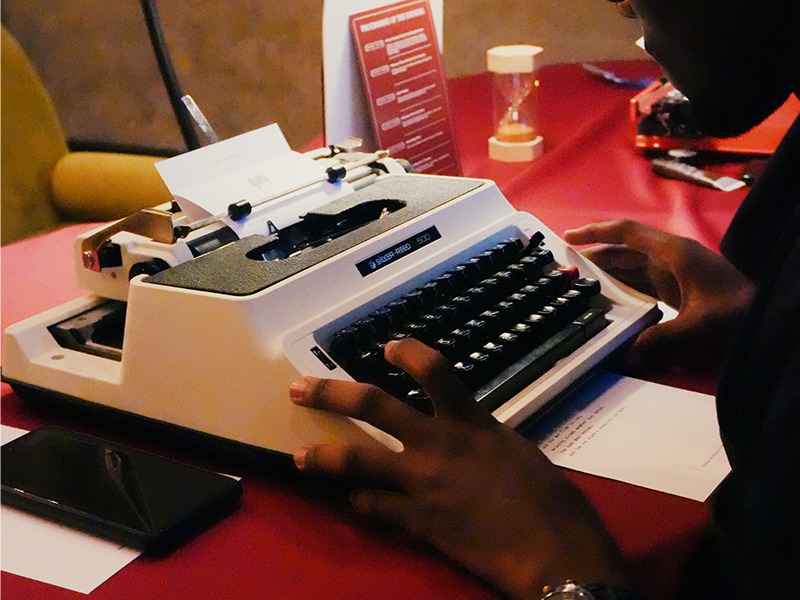
Instant communication has changed our relationship with anticipation. A message can cross continents before we have had time to put our phone down while mail operates differently. There is a period between writing and receiving and that gap gives the message a physical journey while giving the recipient something to look forward to. A letter might sit in a mailbox for a few hours or travel across countries before reaching its destination, that waiting can become part of the experience.
The delay also changes how we approach the message because an email can be scanned quickly between tasks but a letter tends to be opened as an object. You might read it at a kitchen table, keep it beside your bed or return to it several months later. The pace encourages the message to occupy more space in your attention.
Handwriting Makes a Message Personal
Typing gives every person access to the same clean fonts and formatting while handwriting carries traces of the individual who made it. The size of the letters, pressure of the pen, spacing between words and even small imperfections can make a handwritten message recognisable making the writing become part of what is being communicated. This is one reason handwritten correspondence can become a keepsake.
A 2024 Psychology Today article exploring handwriting notes that personal correspondence can carry a distinctive sense of personality and physical presence, while reflecting on the decline of handwritten communication.
The page does not simply contain the message, it also records something about the person who wrote it and that quality can matter when the relationship itself is important.
Letters Can Hold More Than One Moment
Digital messages are often connected to a specific moment. They appear in a conversation, receive a response and eventually become part of a long scrolling archive but a physical letter behaves differently. It can be placed inside a drawer, tucked into a book or stored with photographs and other personal objects. Months or years later, finding it can bring the original relationship or occasion back into focus making letters particularly suited to memories.
A letter about a shared trip, a friendship, a family milestone or a period of change can become a record of that chapter. The recipient does not simply remember what was said, they can return to the actual words and over time, a collection of letters can become a personal archive.
What Makes a Letter Worth Sending?
Instead of trying to summarise an entire relationship in one letter, choose one thing you genuinely want the person to know. You could write about:
- A specific memory: Describe a moment you still remember and explain why it has stayed with you.
- A quality you admire: Tell someone about a characteristic they may not realise you notice.
- A moment of gratitude: Explain something they did and the difference it made.
- A transition: Write to someone beginning a new job, moving to another city, graduating or entering another stage of life.
- A shared future: Write about something you hope you will experience together.
- An ordinary moment: Sometimes a simple story from an ordinary day can be more personal than a formal message.
The strongest letters often contain details that could only have been written for that particular person.
Meaningful Letters Across Distance
Mail also offers an interesting way to maintain relationships across physical distance. Friends and family may live in different cities or countries, and digital communication makes staying in touch easier than it has ever been. Yet sending something through the post can add a different dimension to a long-distance relationship.
A letter can arrive unexpectedly in someone’s home and remind them that distance has not removed them from your thoughts. This can be especially meaningful when people have busy lives and conversations become limited to short updates. A letter creates room to tell a story, reflect on a shared experience or ask questions that might otherwise never make it into a quick exchange.
You can even create a correspondence tradition where two friends might exchange letters every few months, or family members might write to each other on significant occasions, making the practice something to anticipate.
Making Mail More Creative
You can make the experience personal by choosing paper that suits the recipient, including a photograph, adding a small illustration or writing around a particular theme. A poem, favourite quotation or short list of memories can sit alongside the main message. You might also create a series of letters with different purposes:
- Open when you need encouragement
- A letter about our favourite memories
- A letter for your next birthday
- A letter about what I hope comes next
- A letter to mark this particular chapter
These ideas give correspondence a creative structure while keeping the focus on the relationship.
Why Physical Words Still Have a Place
There is no need to choose between digital communication and physical correspondence. Both serve different purposes. A text is useful when someone needs an immediate answer, an email is practical for detailed information, a video call can create connection across distance and a letter offers something else: time, physicality and permanence. The distinction becomes especially clear when the message itself matters.
You may not need to mail someone a reminder about dinner tomorrow. You might, however, want to mail the person who has supported you for ten years a letter explaining what their friendship means to you, the effort should correspond to the meaning.
How Poetry O’Clock Gives Words a Physical Form
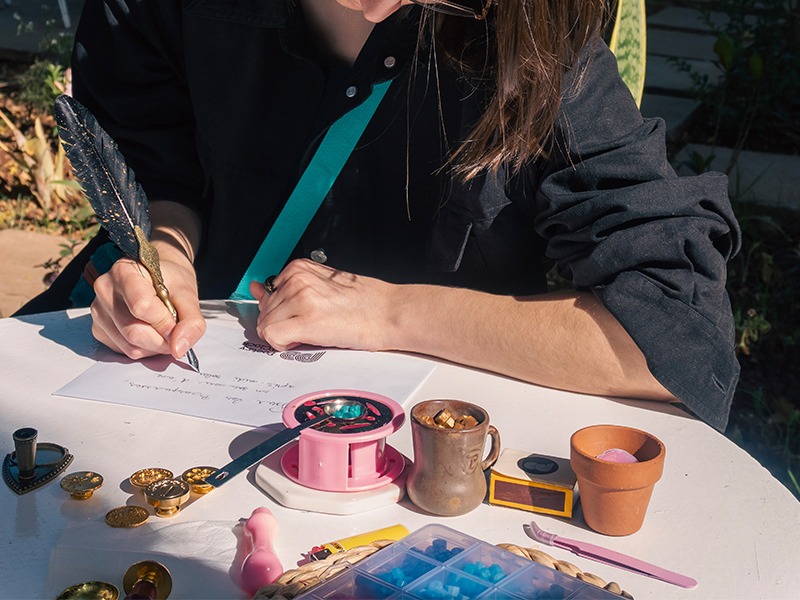
At Poetry O’Clock, we are interested in the space between words and the experiences they represent. That is why physical correspondence remains an important part of our work.
The Post brings together poetry, typewritten correspondence and the anticipation of receiving something made specifically for you. Each edition is designed to arrive as a physical piece of mail, giving the recipient an opportunity to step away from the stream of digital messages and spend time with words on paper.
The idea can also extend to gifting; a custom meaningful typewritten keepsake can be created for someone and sent to them anywhere in the world, allowing a personal message or poetic piece to travel across distance. This approach reflects a simple belief, some words deserve to arrive slowly.
Why Some Words Are Better Sent by Mail
Why some words are better sent by mail is ultimately a question of intention. Some messages gain meaning from the time spent writing them, the distance they travel and the physical form in which they arrive. A letter gives words somewhere to live; it can be read slowly, saved carefully and discovered again long after it was written.
At Poetry O’Clock, we continue to explore what happens when words are given that kind of space. Through The Post and our wider approach to physical writing and poetry, we create opportunities for people to send something considered, personal and tangible to someone they care about.
The next time you have something meaningful to say, consider giving the words a journey. Pick up a pen, choose a piece of paper and let the message take its time.
