
Many poems are kept in quiet places. Some are folded carefully and tucked between the pages of books. Others sit inside drawers with letters, photographs, and small objects that carry personal meaning. Over time, the paper may soften, the ink may fade slightly, yet the words remain.
Unlike many forms of writing that pass quickly through our lives, certain poems stay with us for years. They become small records of moments we want to remember. This is part of what makes poetry unique as a keepsake. A poem does not simply describe an experience. It preserves the emotional atmosphere of the moment in which it was written or received. When someone reads the poem again years later, the memory often returns with surprising clarity.
A poem as a marker of a moment
Many keepsakes exist to help us remember particular moments in life. A photograph captures an image. A ticket stub reminds us of a concert or a journey. A handwritten note preserves a message someone once shared.
Poetry functions in a similar way, though it often carries an additional layer of emotional depth. A poem can hold the feeling of a moment rather than only the event itself. For example, a poem written during a wedding might capture not only the celebration but also the sense of anticipation, joy, and reflection that surrounded the day. A poem written during a time of change might preserve emotions that felt difficult to express directly at the time. When people keep poems, they are often preserving more than words. They are holding onto the emotional atmosphere that the poem carries.
Why personal poems are often kept the longest
Among the many poems people encounter in books or online, personal poems tend to become the ones that remain closest. A poem written specifically for someone carries a different meaning than one discovered by chance. The reader knows the circumstances in which the poem was written. They remember the conversation that led to it or the moment when the poem first appeared in their hands.
Because of this connection, personal poems often feel less like literature and more like correspondence. They resemble letters in the way they speak directly to a particular person or memory. Even if the language is simple, the poem reflects a specific moment shared between people. Over time, this connection gives the poem a lasting significance.
The physical presence of a poem
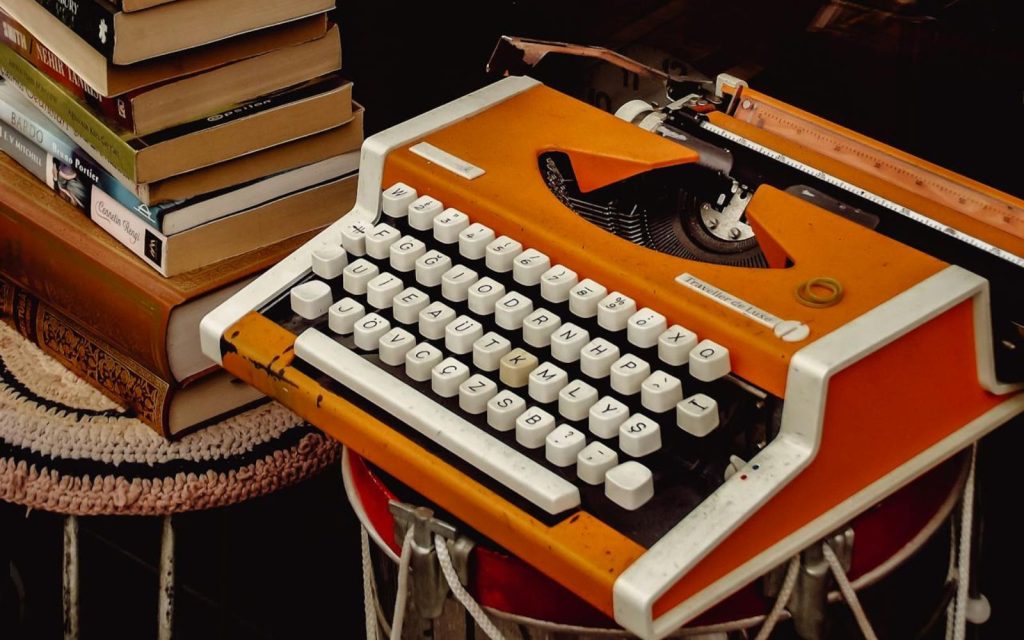
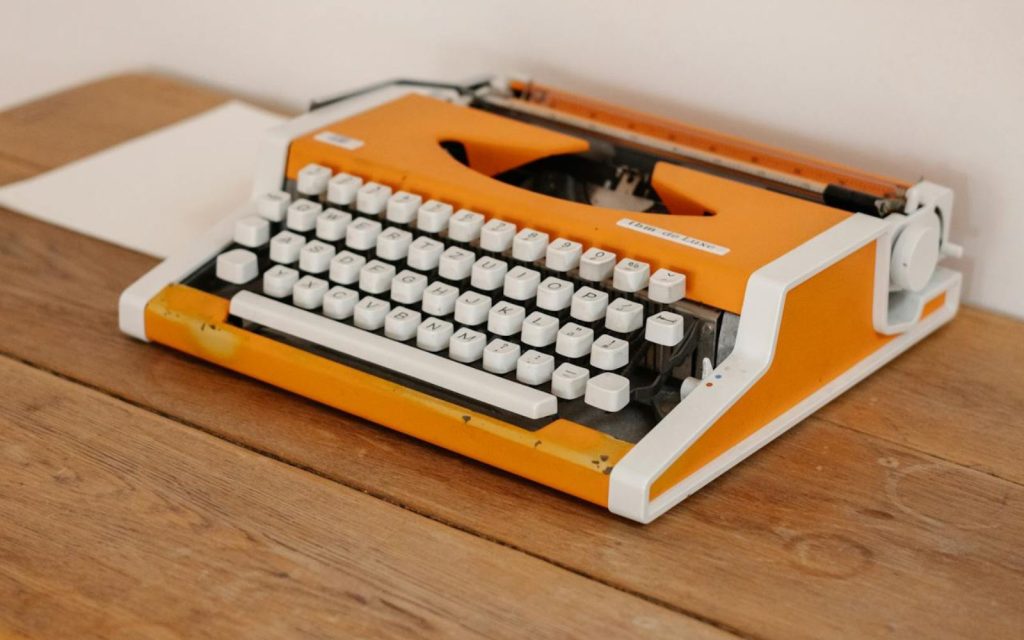
Another reason poems become keepsakes is their physical form. In a world where much of our communication exists digitally, a poem written on paper carries a different presence. The texture of the page, the shape of the handwriting or typewritten letters, and even the imperfections in the lines contribute to the experience of holding the poem.
A physical poem can be placed somewhere meaningful. It may live inside a book, rest on a desk, or travel quietly in a wallet. Because it exists as an object, the poem becomes part of a person’s environment rather than remaining hidden within a device or screen. Years later, discovering the poem again can feel like rediscovering a small piece of the past.
Poems as quiet companions to memory
Poetry often accompanies moments that are emotionally significant. People turn to poems during celebrations, transitions, or periods of reflection. Poems may appear at weddings, memorials, anniversaries, or birthdays. They can also emerge during quieter moments, written privately to process a feeling or record an observation.
When these poems are kept, they begin to function as companions to memory. A poem written during a particular stage of life can later reveal how someone once understood the world. The language may feel familiar or distant depending on how much time has passed, yet it still reflects a version of the person who experienced that moment. Reading the poem again allows the reader to revisit that earlier perspective.
Why people return to certain poems
Over time, people often return to the same poems repeatedly. This is not always because the poems are technically perfect or widely known. Instead, they resonate with something personal that continues to feel relevant. A line written years ago may suddenly speak to a new experience. A phrase that once felt mysterious may become clearer with time.
Poetry allows this kind of ongoing relationship because its language is often layered and open to interpretation. The meaning of a poem can evolve alongside the person reading it. A poem kept as a keepsake therefore becomes more than a memory. It becomes something that grows in meaning over time.
The quiet archive of personal writing
Many people unknowingly build small archives of personal writing throughout their lives. These archives might include letters, notes, journals, and occasionally poems. Each piece of writing reflects a moment of attention someone once gave to a thought or feeling.
Unlike digital messages that disappear into long streams of conversation, these physical pieces of writing often remain visible. They accumulate slowly, forming a collection of moments that might otherwise fade. Within these archives, poems often stand out. Their language is more condensed and deliberate, capturing an experience in a few carefully chosen lines. Even years later, the poem retains the essence of the moment in which it was written.
Poetry as something meant to be kept
Not every poem becomes a keepsake, yet many are written with the possibility that they might endure. Poetry’s structure encourages this. A poem distills an idea or emotion into language that is compact and memorable. Because the words are chosen carefully, they can remain meaningful even when read long after the original moment has passed.
For this reason, poems often travel with people across time. They are folded, stored, rediscovered, and occasionally shared again with others. Each time the poem reappears, it reconnects the reader to the moment it once captured. In this way, poetry functions not only as an art form but also as a quiet container for memory.
Words that stay with us
When people keep poems for years, they are not only preserving language. They are preserving a moment of attention. Someone once paused long enough to write those words. Someone else cared enough to keep them.
In a world where communication moves quickly and disappears just as fast, this act of keeping a poem becomes meaningful in itself. The poem remains as a reminder that certain moments deserve to be held onto.
If you would like to explore the Poetry O’Clock practice and discover how personal poems can become meaningful keepsakes, you can learn more here:
https://poetryoclock.com
