
Meaningful gifts in Kenya that people actually keep are often connected to a person, memory, place or experience that gives the present a reason to stay long after the occasion has passed. Gift-giving in Kenya is woven into many parts of life, and achieving milestones often creates reasons to celebrate someone. There are also the quieter occasions: thanking a friend, welcoming someone home, marking a new chapter or simply letting someone know that you were thinking about them.
The challenge is often finding something that feels personal enough for the person receiving it. If you are looking for meaningful gifts in Kenya, consider gifts that reflect the person receiving them, make use of local creativity or create an experience worth remembering.
What makes a gift worth keeping?
A meaningful gift often has thought behind it; a photograph might bring back a particular period of someone’s life, a handmade ceramic piece might become part of someone’s daily routine and a handwritten letter might preserve words that would otherwise have been lost to time.
Personalisation can also make a difference and it comes in two forms, including someone’s name on the gift or having the present be connected to an inside joke, a shared memory, a favourite place, a meaningful date or something the recipient has always enjoyed. This is why keepsake gifts can feel particularly special. They give someone an object or experience that has a connection to their own story.
1. Commission a poem written specifically for them
Poetry can make an unusual and deeply personal gift because the finished piece exists for one person and begins with something you know about them. At Poetry O’Clock, a commissioned poem can be created from a person, story, memory, feeling, celebration or particular moment. The poet interprets what is shared and creates an original poem specifically from it. The finished work is individually typewritten and presented as a physical keepsake.
This makes commissioned poetry suitable for occasions where you want to give someone words that feel connected to their life rather than a standard message from a card. It can be commissioned for a partner, friend, parent, sibling or someone marking an important personal milestone. The recipient can read the poem, keep it and return to it later.
2. Choose a handmade gift from a Kenyan artisan
Handmade objects can make thoughtful gifts because they carry the marks of the person or community that made them. Kenya has a rich craft tradition, with artisans creating ceramics, woven pieces, jewellery, textiles, woodwork, homeware and other objects. Choosing a locally made gift also gives you an opportunity to learn something about the maker and the process behind the piece.
In Nairobi, Naskia Handmade curates African handmade products including ceramics, home décor, baskets, fashion and other gifts from African artisans. Its focus on handmade products makes it a useful place to explore when you want an object with a stronger connection to craft and design. A handmade mug, woven basket, piece of jewellery or home object can become part of someone’s everyday life while also carrying a story about where it came from.
3. Give an experience instead of an object
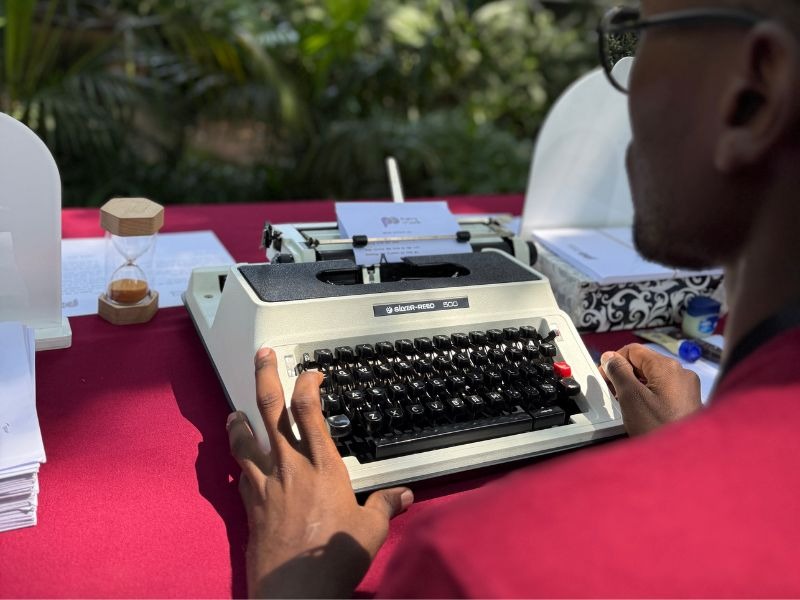
Some gifts are remembered because of what happened rather than what was unwrapped. An experience gift could be a private dinner, creative session, day trip, art experience or carefully planned afternoon together. This can work particularly well for someone who already has most of the things they need. In Nairobi, an experience can also become a way of exploring the city differently. You might arrange an afternoon around a gallery visit, a quiet meal, a walk or a creative activity.
Poetry O’Clock’s Table for Two is one example. Designed for exactly two people, the 90-minute private writing experience combines typewriters, prompts and creative materials with time for the two guests to talk, create and enjoy being together. It can be arranged for a date, birthday, anniversary, friendship, family occasion or simply because you want to spend time together differently. For people searching for experience gifts in Kenya, experiences like this can give the recipient something they can remember and talk about long after the day itself.
4. Give a handwritten letter with the gift
Sometimes the most important part of a gift is the words that accompany it, a handwritten letter can explain why you chose the gift, recall a shared memory or tell someone something you have been meaning to say. It can also give an ordinary present a much more personal context. You might write to a friend who has supported you through a difficult season, a parent whose influence you want to acknowledge or a partner celebrating an important milestone with you.
The physical nature of handwriting also makes the message easy to keep. It can be placed in a drawer, tucked inside a book or stored with photographs and other personal belongings. If you are choosing a gift for someone who values sentimental details, consider setting aside time to write a proper letter rather than relying on a short card message.
5. Create a personalised gift around a shared memory
Personalised gifts do not always need to be professionally customised, you could create a small collection around a shared memory. For example, a gift connected to a place you visited together, a book that reminds you of them, photographs from a particular year or objects connected to an important chapter of your relationship.
The key is the connection and a simple object can become a keepsake when it reminds someone of a person, place or moment that matters to them. This is particularly useful when looking for personalised gifts in Kenya for someone who may appreciate sentiment more than extravagance. Think about what the recipient talks about often, what they keep, what they collect and which memories you share. Those details can lead you towards something far more specific than a general gift list.
6. Choose a gift they can use every day
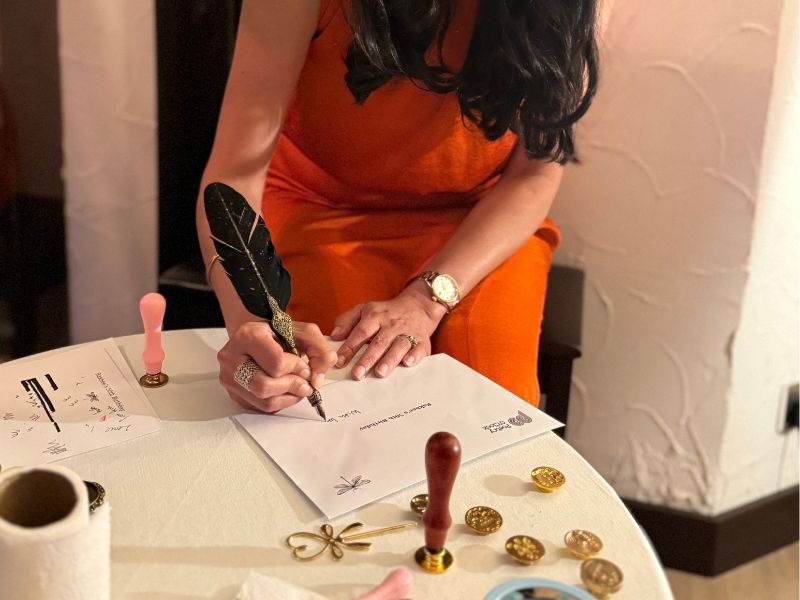
A meaningful gift can also be practical, when chosen carefully, usefulness can actually help a gift remain present in someone’s life. Look for something that fits the person’s habits and preferences. Someone who writes may appreciate a well-made notebook. Someone who enjoys hosting may enjoy handmade tableware. Someone who loves reading might appreciate a book paired with a handwritten note. Local artisan products can work particularly well here because the gift combines everyday usefulness with craftsmanship.
10. Give a small gift simply because you thought of them
You do not need a major occasion to give someone something thoughtful, a just-because gift can sometimes feel especially personal because there is no expectation attached to it. You saw something that reminded you of them, came across something they would enjoy or simply wanted to make their day a little different.
This could be a small handmade object, a book, a handwritten note, a commissioned poem or an invitation to spend time together. The simplicity of the gesture can be part of its charm because it tells the recipient that they were on your mind even when there was no calendar date requiring a gift.
Choosing meaningful gifts in Kenya
When choosing a gift, start with the person rather than the occasion and think about what they enjoy, what they keep, what they talk about and the experiences you have shared. Consider whether they would appreciate something practical, something handmade, an experience or words created specifically for them.
There are plenty of gift ideas in Kenya, but the most memorable choices often have a clear connection to the person receiving them. A handmade ceramic piece can become part of someone’s daily ritual, a letter can preserve a thought, a commissioned poem can give language to a memory and an experience can become a story two people continue to share.
At Poetry O’Clock, this belief sits at the centre of our work. Our poems begin with attention: listening to someone’s story, memory, feeling or moment and turning what they share into something physical they can keep. A good gift does not have to be grand. It needs a reason to belong to the person receiving it.
