
Why slowness is becoming a luxury is a question that has become increasingly relevant as attention becomes harder to protect and free time becomes easier to fill. Across different cultures and lifestyles, people are reconsidering the value of unhurried meals, handwritten notes, creative hobbies, long conversations, quiet mornings and time spent doing one thing at a time. Slowness is beginning to feel valuable precisely because so much of modern life is organised around speed.
This does not mean abandoning technology, productivity or ambition. It means becoming more deliberate about where attention goes and recognising that some experiences need time to become meaningful.
What Does Slow Living Really Mean?
Slow living is often associated with a particular aesthetic: books, candles, quiet cafés and beautifully arranged homes. The underlying idea is much broader, it is about approaching everyday life with greater intention and allowing certain activities enough time to be experienced properly.
A slower approach might mean cooking a meal instead of ordering one, walking somewhere when time allows, reading a physical book, writing in a journal, having a long conversation or spending an afternoon making something with your hands, the value lies in the attention involved.
Research and commentary around mindfulness increasingly point towards the relationship between presence and our experience of time. Writing for Psychology Today in 2024, psychologist Steve Taylor explored how living more slowly can encourage mindfulness and alter our subjective experience of time. That perspective helps explain why slow living has become culturally appealing. When an experience receives our full attention, it can feel fuller in memory than an hour spent moving rapidly between tasks.
Why Time Has Started to Feel Like a Luxury
Modern life gives us extraordinary ways to save time, messages arrive instantly, information is available immediately and many everyday tasks can be completed without leaving home. Yet saving time does not necessarily create more meaningful free time.
The spaces created by convenience are often filled almost immediately. A spare ten minutes becomes an opportunity to check notifications, a quiet commute becomes time for emails, a meal becomes something consumed while watching a screen or an evening intended for rest can turn into hours of switching between platforms.
This creates an interesting tension where we have more tools designed to make life efficient, while uninterrupted attention can feel increasingly scarce. Slowness therefore has value because it protects something that cannot be automated: presence.
The Appeal of Doing One Thing at a Time
One reason slower experiences feel different is that they reduce the pressure to divide attention. Writing a letter requires you to stay with the page, cooking requires attention to ingredients, timing and movement, reading asks you to follow one narrative and a conversation requires listening to another person rather than preparing your next response while checking your phone.
These activities are ordinary, but their lack of urgency can be refreshing. A 2024 Psychology Today article on slowing down similarly describes the relationship between reduced pace, reflection and greater awareness of the present.
This is particularly relevant to creative activities since creativity often needs enough mental space for an idea to develop. When every quiet moment is immediately filled, there is less opportunity for observation, curiosity and unexpected connections.
Slowness Creates Space for Better Conversations
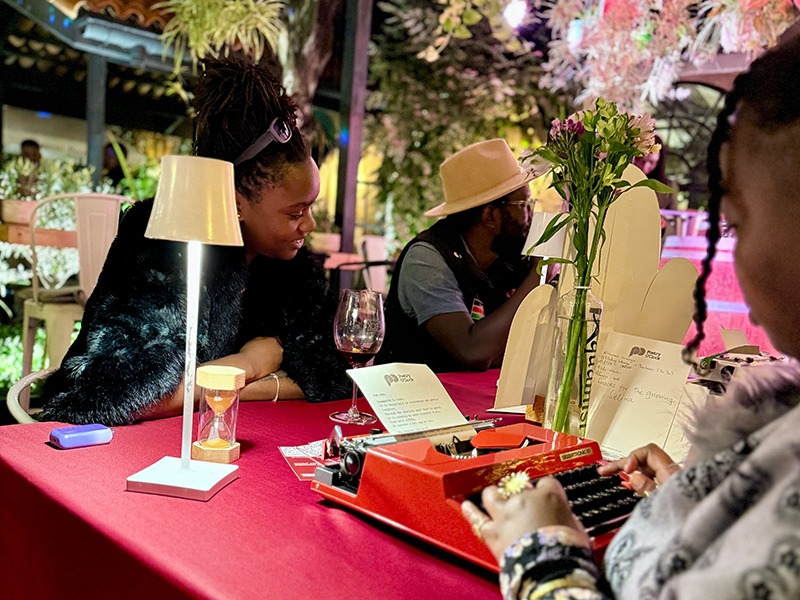
The value of slowing down becomes especially visible in how people spend time together. A dinner can become an opportunity to talk rather than simply another activity between appointments and a walk can allow a conversation to unfold without a fixed agenda. These experiences can be simple, but they require a willingness to stay with them.
This is one reason intimate gatherings and smaller creative experiences continue to appeal to people across different places and cultures. They give participants room to interact without having to compete with a crowded schedule or constant digital stimulation. Slowness, in this context, becomes a way of giving another person your attention.
Why Creative Practices Benefit From a Slower Pace
Digital tools have made many creative processes faster, and that can be incredibly useful. Yet there remains something distinctive about practices where the process is visible.
A typewriter, for example, introduces physical limitations. You cannot endlessly rearrange a sentence on the page, the machine requires deliberate movement and the finished work carries evidence of the process that created it. This is part of the wider appeal of analog and tactile creative practices, they give people an opportunity to experience making rather than simply consuming.
Slowness Does Not Have to Mean Doing Less
There is a tendency to associate slow living with having plenty of free time. For many people, that is unrealistic.
Work, family responsibilities, study, commuting and other obligations can make completely unstructured days impossible. Slow living becomes more useful when understood as a way of approaching particular moments rather than an ideal lifestyle that requires a complete change of circumstances.
You might choose to:
- Eat one meal without your phone nearby.
- Take a walk without listening to anything.
- Write a handwritten note instead of sending a message.
- Read several pages before opening an app.
- Spend an hour making something without photographing it.
- Have a conversation without checking notifications.
- Create a small ritual around an activity you already enjoy.
These choices do not require a dramatic lifestyle change, they simply create pockets of deliberate attention.
The Growing Value of Offline Experiences
The renewed interest in offline experiences reflects this desire for participation. People are increasingly drawn to activities where they can make, write, listen, talk, explore or learn rather than simply consume content. Museums, bookshops, creative workshops, independent cinemas, writing groups, walking clubs and intimate gatherings can all offer this kind of engagement.
The important distinction is the quality of participation. An offline experience can still feel rushed if it is packed with activities and constant documentation. A digital experience can also be deeply meaningful, what matters is the relationship between the person, the activity and their attention.
The University of California, Berkeley’s Greater Good Science Center describes digital wellbeing in similar terms, focusing on how technology can be used intentionally while maintaining healthy relationships with both digital and physical environments. The goal is therefore not to reject digital life, it is to create enough balance that technology remains a tool rather than the default destination for every spare moment.
Why Slowness Is Becoming a Luxury in Creative Culture
When speed becomes normal, activities that take time acquire a different kind of significance. A handwritten letter has to be composed, written, addressed and sent. A physical photograph has to be taken and developed or printed. A handmade object carries evidence of the time spent creating it. A poem written specifically for one person cannot be mass-produced in quite the same way.
The value comes partly from knowing that someone gave the process their attention. This is why slow creative practices can feel particularly appropriate for milestones, relationships and meaningful gatherings. They create something that belongs to a specific moment rather than something designed to disappear into an endless stream of content.
How Poetry O’Clock Creates Space for Slower Experiences
At Poetry O’Clock, this relationship between time, conversation and creativity is central to the way we work. Our live poetry experiences give guests an opportunity to sit with a poet, share a thought or memory and watch those details become an original poem created in real time. The typewriter makes the process visible, while the conversation gives the writing its personal starting point.
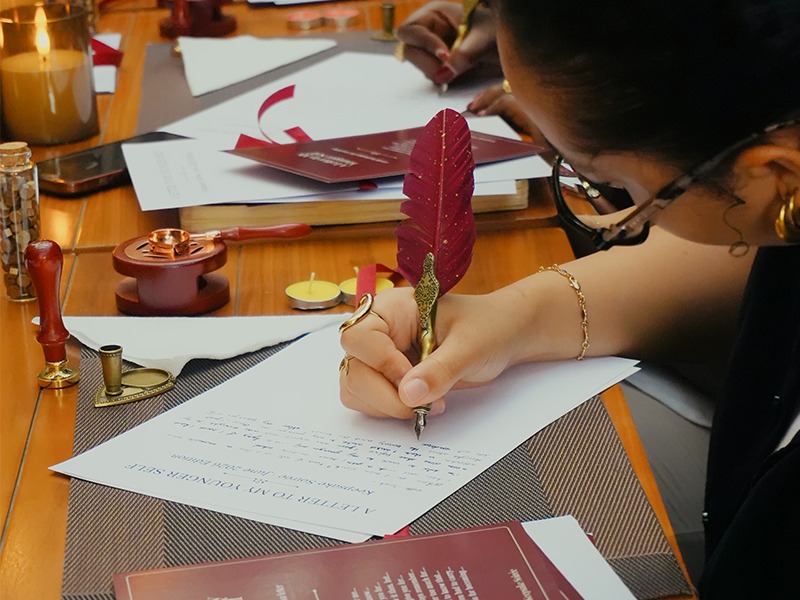
Our Table for Two experience brings this philosophy into a private setting, giving two people dedicated time to write, talk and create together. Keepsake Soirée similarly creates space around writing, reflection and physical keepsakes.
These experiences are deliberately unhurried because the purpose is not to fill every moment, but to give a particular moment enough room to become meaningful.
Making Slowness Part of Everyday Life
You do not need to redesign your entire routine to experience the value of slower living. Start with one activity that deserves more attention.
The point is not to make every part of life slower because some things are better when they are efficient. The invitation is to notice which experiences become richer when you stop trying to move through them quickly.
Why Slowness Is Becoming a Luxury Worth Protecting
Why slowness is becoming a luxury has less to do with nostalgia than with attention. As technology continues to make communication and everyday tasks faster, time spent listening, creating, reflecting and being fully present becomes increasingly valuable.
Slowness gives ordinary experiences room to develop. It can turn a conversation into a memory, a blank page into a keepsake and a few uninterrupted hours into something you genuinely remember.
At Poetry O’Clock, we believe words deserve that kind of space, through live poetry, Table for Two and Keepsake Soirée, we create experiences where people can pause, talk, write and leave with something tangible. Sometimes luxury is having enough time to stay with a moment.
